Latex, as a natural material, offers responsive support and durability that is particularly beneficial for bedding components such as pillows and mattresses. Its open-celled structure promotes airflow, helping regulate temperature and reduce moisture buildup. In latex products, you may find varying densities to tailor support for different sleep positions and preferences.
In the context of pillows, latex provides resilient cushioning that adapts to head and neck contours while maintaining shape over time. This quality supports spinal alignment and can alleviate pressure points, making latex pillows suitable for individuals seeking long-lasting comfort without flattening or sagging.
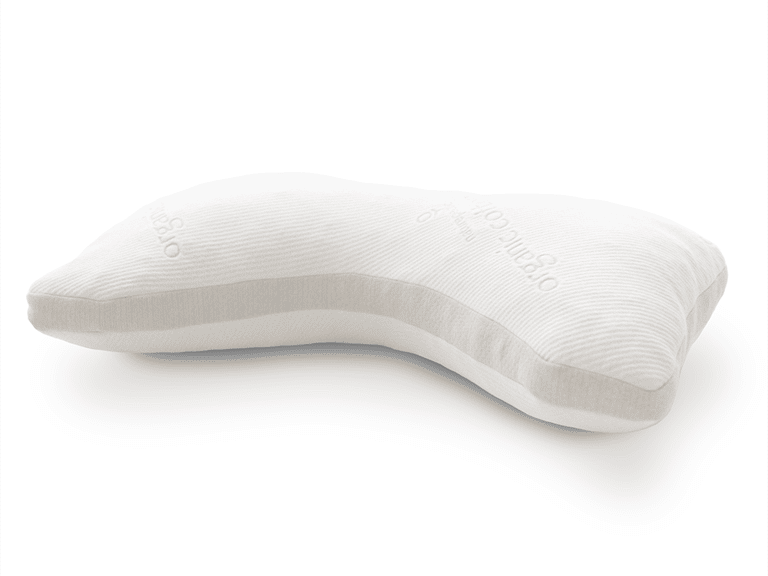
Within latex bedding, a notable example is the Naturepedic Organic Side Sleeper Pillow. This product emphasizes organic materials, breathable construction, and targeted support for side sleepers. Its design focuses on aligning the neck with the spine, potentially reducing stiffness and improving sleep quality for certain sleepers.
Key features to consider when evaluating latex bedding include firmness range, thickness, and the presence of a breathable cover. Memory foam pillows, sheets, and latex-based layers can complement each other by balancing conformity with resilient support, supporting varied sleep postures while maintaining airflow and hygiene.
For those exploring bedding options in the latex category, understanding the functional benefits—such as durability, hypoallergenic properties, and temperature regulation—helps inform material choices. When considering the Naturepedic Organic Side Sleeper Pillow, note how organic fabrication and side-sleeper alignment aim to support restful, neutral-spine sleep across different body types.
 Bedding